 Skip to main content
Blog
Roof damage can be a homeowner’s nightmare. It often leads to costly repairs and insurance claims. Understanding the roof claim process is crucial. It ensures you receive fair compensation for your damages.
Many homeowners face challenges with roof damage insurance claims. Hail, wind, and storms are common culprits.
Hiring a roof damage claims attorney can make a significant difference. They help navigate complex insurance policies and negotiations. This article will guide you through the essentials of roof damage claims. Learn how to protect your home and maximize your insurance benefits.
Understanding Roof Damage Insurance Claims
Navigating roof damage insurance claims can feel overwhelming. Different states have varying regulations. Local policies may affect your claim’s outcome.
It’s essential to know what your roof damage coverage includes. This prevents unexpected expenses and helps in filing a more effective claim. Missing key details can lead to underpayment or denial.
Here’s a quick checklist for homeowners:
- Review local building codes: Ensure repairs meet regulations.
- Understand policy exclusions: Know what’s not covered.
- Keep maintenance records: Proof of upkeep strengthens your case.
Taking these steps can simplify the process and increase chances of success. Proper documentation and knowledge are your best allies.
Common Causes of Roof Damage: Hail, Wind, and Storms
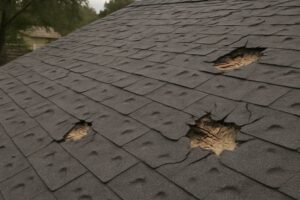
Hailstorms are a major culprit of roof damage, causing dents and cracks. These can lead to leaks if not promptly addressed. Filing roof damage from hail insurance claims is common in many regions.
Wind damage can be sneaky, often tearing shingles from the rooftop. Missing shingles expose the underlayment, leading to more significant issues over time. It’s crucial to check for damage after strong winds.
Storms combine these elements, wreaking havoc on roofs. Homeowners often face multiple repairs, from structural to aesthetic. To manage these risks, consider these steps:
- Regular inspections: Early detection saves money.
- Immediate repairs: Prevent further damage.
- Document damage: Take photos for your claim.
Recognizing these risks prepares you for any unforeseen weather events. Understanding the specific causes helps in making informed insurance claims.
Roof Damage Assessment: What Homeowners Need to Know
Conducting a thorough roof damage assessment is vital after severe weather. Without proper evaluation, small damages may go unnoticed. This can lead to costly repairs down the line.
Hiring a professional inspector ensures all issues are identified. They have the experience needed to spot hidden problems. Moreover, a professional assessment strengthens your insurance claim.
Homeowners should understand key aspects of a roof assessment. Knowing the following can help:
- Check for leaks: Even small ones can cause big problems.
- Inspect for missing shingles: These expose your home.
- Assess flashing: Look for rust or dislocation.
Assessment is key to a successful insurance claim and efficient repairs. Being informed will safeguard your investment and ensure your home’s safety.

The Roof Claim Process: Step-by-Step Guide
Filing a roof insurance claim can be daunting. However, understanding each step simplifies the process. It ensures you get the coverage you deserve.
Begin by documenting all damages with photos and notes. This evidence is crucial for the claim. Next, notify your insurance company promptly to begin the procedure.
An insurance adjuster will then assess your roof. They verify damages and evaluate repair costs. It’s vital to be present during this inspection to discuss any concerns.
Filing your claim involves submitting all necessary documentation. Be thorough and accurate to avoid delays. Here’s a quick guide:
- Document Damages: Take clear photos and detailed notes.
- Contact Insurer: Inform them as soon as possible.
- Schedule Inspection: Be there when adjuster visits.
- Submit Paperwork: Include all evidence and forms.
Understanding these steps can lead to a smoother claim experience. Proper guidance will prevent potential pitfalls and maximize your settlement.
Working with Insurance Claims Adjusters
Engaging with insurance claims adjusters is a pivotal part of the roof claim process. They are responsible for evaluating the damage and estimating the repair costs. Understanding their role helps in managing expectations and ensuring fair treatment.
During their visit, communicate openly but stick to the facts. Provide them with all the documentation and evidence you have gathered. Accurate information aids in making a compelling case.
Consider these tips when working with adjusters:
- Be Prepared: Have all documents ready.
- Stay Professional: Keep communication clear and respectful.
- Request a Copy: Ask for the adjuster’s report for your records.
Remember, the adjuster’s evaluation influences your settlement. Therefore, staying informed and cooperative is beneficial.
Why Roof Damage Claims Get Denied or Underpaid
Understanding why roof damage claims get denied or underpaid helps homeowners prepare stronger cases. Common reasons include insufficient documentation, pre-existing damage, or policy exclusions.
Insurance policies often contain intricate language and stipulations. Missing a detail may lead to a denied claim. Familiarize yourself with coverage specifics to circumvent this issue.
Here are factors that may lead to denial or underpayment:
- Inadequate Documentation: Lack of detailed evidence.
- Pre-existing Damage: Damage that existed prior to the claim.
- Exclusions: Certain damages not covered by the policy.
To avoid pitfalls, ensure thorough documentation and a grasp on policy terms. Being proactive ensures fair compensation and protection of your assets.
The Role of a Roof Damage Claims Attorney
A roof damage claims attorney plays a crucial role in navigating the claims process. They understand the legal nuances that can make or break a claim. Attorneys ensure that you receive the settlement you deserve.
One of their key functions is to negotiate with the insurance company on your behalf. This negotiation helps in securing a fair settlement and preventing lowball offers. Their expertise simplifies complex policy language, helping you understand your rights fully.
Here’s how an attorney can assist:
- Documentation Review: Ensures all paperwork is complete and accurate.
- Negotiation: Engages with insurers to secure fair compensation.
Dispute Resolution: Handles denied or underpaid claims expertly.
Roofing Insurance Tips for Homeowners
Protecting your home with the right insurance is vital. Understanding your policy’s specifics can save you headaches during claims.
Consider these tips:
- Keep Records: Document all roof repairs and maintenance.
- Understand Terms: Know the difference between cash value and replacement cost.
- Regular Inspections: Periodic check-ups can catch minor issues early.
Following these tips helps build a stronger claim foundation, reducing potential issues down the line. An informed approach can lead to smoother interactions with insurers.
Frequently Asked Questions About Roof Insurance Claims
Many homeowners have questions about roof insurance claims. Here are some common queries:
- What if my claim is denied? An attorney can help appeal.
- How long do claims take? It varies, but timely responses matter.
- Can I negotiate settlements? Yes, especially with legal help.
- What documentation is needed? Photos and repair estimates are vital.
- What affects claim approval? Documentation and the policy’s terms play key roles.
Conclusion: Protecting Your Home and Your Rights
Navigating roof damage claims can be daunting, but you don’t have to go it alone. Understanding each step of the process ensures better outcomes.
Hiring a roof damage claims attorney can offer valuable guidance and support, safeguarding your rights. By staying informed and proactive, you can protect both your home and your financial interests.
