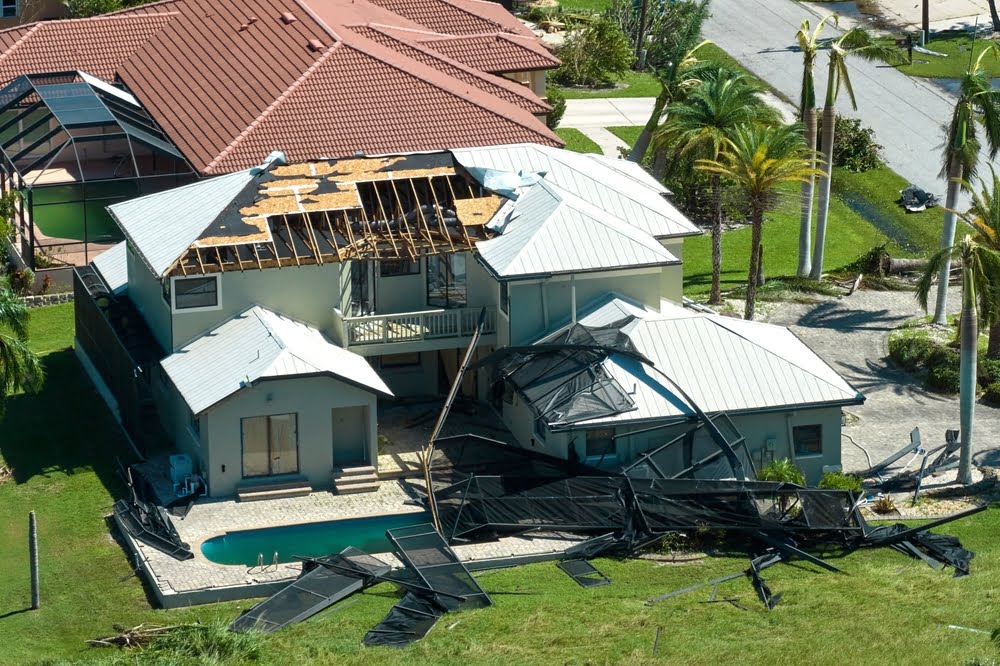
Nashville property owners may face losses caused by tornadoes, severe thunderstorms, hail, damaging winds, flooding, fire, water intrusion and other unexpected events. When an insurance company delays, denies or underpays a covered claim, experienced legal guidance can help policyholders understand their coverage and evaluate their available options.
People injured in car, truck, motorcycle, pedestrian, rideshare and other accidents may also face medical expenses, lost income, long-term treatment and disputes with insurance companies. The Morgan Law Group helps injury victims evaluate liability, available insurance coverage and the compensation that may be available under Tennessee law.
The Morgan Law Group does not maintain a physical office in Nashville. The firm serves Nashville-area clients through Tennessee-licensed of-counsel representation, with consultations available by phone or video.
Insurance Claim Representation
Nashville Property Damage Claims
Get help with delayed, denied or underpaid claims involving tornadoes, hail, damaging winds, roof damage, flooding, burst pipes, water intrusion, fire, smoke and damage to residential or commercial property.
Injury Claim Representation
Nashville Personal Injury Claims
Explore representation for car, truck, motorcycle, pedestrian and rideshare accidents, unsafe property conditions, serious injuries and wrongful death claims.
Find Out Whether Your Claim May Qualify
If you are dealing with property damage, an insurance dispute or a serious injury in the Nashville area, tell us what happened and learn whether The Morgan Law Group may be able to help.
Storm and Wind Damage
Severe thunderstorms and straight-line winds can damage siding, windows, trees, exterior structures and residential or commercial buildings.
Tornado Damage
Tornadoes can cause roof failure, structural damage, fallen trees, broken windows, water intrusion and the total loss of homes or businesses.
Hail Damage
Hail can damage shingles, roof systems, siding, gutters, windows, HVAC equipment, vehicles and other exposed property.
Roof and Structural Damage
Roof damage may lead to leaks, interior water damage, damaged insulation, mold concerns and disputes over repair or replacement costs.
Fire and Smoke Damage
Fire-related claims may involve structural repairs, smoke contamination, damaged contents, temporary housing and business-interruption losses.
Water and Pipe Damage
Burst pipes, plumbing failures, roof leaks and water intrusion can damage walls, flooring, personal property and important building systems.
Coverage depends on the policy language, cause of loss, exclusions, deductibles and documentation supporting the claim. Learn more about available representation through our Tennessee property damage claims resource.
Car Accidents
Car accident claims may involve distracted driving, speeding, unsafe lane changes, intersection crashes, rear-end collisions and disputes over fault or insurance coverage.
Truck Accidents
Crashes involving commercial vehicles on I-24, I-40, I-65 and other Nashville-area roads may involve trucking companies, contractors, maintenance providers and multiple insurers.
Motorcycle Accidents
Motorcyclists can suffer serious injuries when drivers fail to yield, make unsafe turns, change lanes without looking or follow motorcycles too closely.
Rideshare Accidents
Accidents involving Uber, Lyft and other app-based services may raise questions about driver status, commercial coverage and which insurance policy applies.
Unsafe Property Conditions
Falls and other premises-related injuries may result from unsafe walkways, inadequate maintenance, poor lighting, unaddressed hazards or negligent property management.
Serious Injuries and Wrongful Death
Catastrophic injuries and fatal accidents may create claims involving medical costs, lost income, future care, disability and losses suffered by surviving family members.
Every injury claim requires an individual review of fault, medical evidence, available insurance and applicable Tennessee law. Learn more about our broader personal injury representation.
01
Protect People First
Leave the property when conditions are unsafe and contact emergency services when necessary. Do not enter areas affected by structural instability, fire, electrical hazards, standing water or downed power lines.
02
Prevent Additional Damage
When it can be done safely, take reasonable temporary measures such as shutting off water, covering exposed areas or securing broken openings. Avoid permanent repairs before the damage is documented and inspected.
03
Document the Loss
Take photographs and video of the exterior, interior, damaged contents and source of the loss when visible. Preserve damaged materials when practical and record when the damage was discovered.
04
Notify the Insurance Company
Report the loss promptly, obtain a claim number and ask what documents, inspections and temporary repairs are required under the policy. Keep notes of each conversation with the insurer.
05
Track Damage and Expenses
Prepare an inventory of damaged property, obtain repair estimates and retain receipts for emergency work, temporary housing, mitigation services and other claim-related expenses.
06
Review the Claim Decision
Compare the insurer’s estimate and coverage decision with the damage, policy and independent estimates. Request a written explanation for anything excluded, reduced or denied before accepting the decision as final.
Property policies contain conditions, exclusions and deadlines that vary by insurer and type of loss. If a Nashville property claim is delayed, denied or underpaid, consider having the policy and claim documents reviewed before signing a release or closing the claim.
01
Call 911 and Get to Safety
Report the collision and request emergency assistance when needed. If you can do so safely, move away from active traffic without leaving the accident scene.
02
Seek Medical Care
Allow emergency personnel to evaluate you and obtain follow-up care for pain or other symptoms. Some accident-related injuries may not become apparent immediately.
03
Exchange Information
Collect the names, contact details, driver’s-license information, license-plate numbers, and insurance information of the motorists involved. Obtain contact information from witnesses when possible.
04
Document the Scene
Photograph or record vehicle damage, injuries, debris, skid marks, traffic signals, roadway conditions, weather, construction, and anything else that may help explain how the collision occurred.
05
Obtain the Crash Report
Preserve the report number and responding officer’s information. Follow the Tennessee Department of Safety and Homeland Security’s instructions for obtaining a Tennessee crash report.
06
Protect Your Claim
Notify the appropriate insurers, but be cautious about recorded statements, broad medical authorizations, or early settlement releases. Keep copies of medical bills, repair estimates, wage records, and claim correspondence.
Preserving evidence and meeting applicable Tennessee claim deadlines can be important after a serious collision. If liability, insurance coverage, or the value of your losses is disputed, consider having the circumstances reviewed before accepting a settlement.
Tennessee-Licensed Representation
Nashville clients are served through Tennessee-licensed of-counsel representation, providing access to attorneys authorized to handle applicable Tennessee insurance and injury matters.
Insurance Claim Experience
The firm represents clients facing delayed, denied, or underpaid property claims and disputed personal injury claims involving insurance companies and other responsible parties.
Detailed Claim Evaluation
Each inquiry is reviewed according to the available evidence, insurance coverage, reported damages, injuries, liability issues, and the Tennessee deadlines that may apply.
Convenient Remote Access
Nashville-area clients can communicate with the legal team by phone, email, and video without traveling to a physical office. Documents and claim information can also be reviewed electronically.
The Morgan Law Group does not maintain a physical office in Nashville. Services for Nashville and surrounding Tennessee communities are provided remotely through Tennessee-licensed of-counsel representation.
Does The Morgan Law Group have a physical office in Nashville?
No. The Morgan Law Group does not maintain a physical Nashville office. The firm serves Nashville-area clients remotely through Tennessee-licensed of-counsel representation, with consultations available by phone or video.
What types of Nashville claims does The Morgan Law Group handle?
The firm evaluates property damage claims involving storms, tornadoes, hail, roofs, fire, water, and other covered losses. It also evaluates personal injury claims arising from car, truck, motorcycle, rideshare, pedestrian, premises-liability, and wrongful death matters.
How long do I have to file a personal injury lawsuit in Tennessee?
Tennessee generally provides one year from the date of an injury to file a personal injury lawsuit. Exceptions and shorter notice requirements may apply, particularly when a government entity is involved, so a claim should be evaluated promptly.
Can I recover compensation if I was partly responsible for a Nashville accident?
Possibly. Under Tennessee’s modified comparative-fault rule, a person who is less than 50% responsible may recover compensation, although the recovery can be reduced by the percentage of fault assigned to that person.
Does homeowners insurance cover tornado, wind, or hail damage in Nashville?
Many homeowners policies cover certain tornado, wind, and hail losses, but coverage depends on the policy language, exclusions, deductibles, cause of damage, and supporting documentation. A separate deductible or other limitation may apply.
What should I do if my Nashville property insurance claim is denied or underpaid?
Request the insurer’s explanation in writing, preserve the policy and claim correspondence, photograph the damage, obtain appropriate repair estimates, and avoid completing permanent repairs before the loss is adequately documented. Consider having the denial or payment reviewed before accepting a final resolution.
What documents are helpful when requesting a claim review?
Helpful records may include the insurance policy, denial or payment letters, photographs, videos, repair estimates, medical records, crash reports, witness information, wage documentation, receipts, and communications with insurance representatives.
Can I request a Nashville claim review remotely?
Yes. Nashville-area residents can submit their information through the online Claim Qualification Form and communicate with the legal team by phone, email, or video. Submitting an inquiry does not create an attorney-client relationship.
 Skip to main content