 Skip to main content

Hurricane Claims, Property Insurance Claims
Peak Hurricane Season 2026: Seven Insurance-Claim Readiness Tasks Homeowners Can Still Complete
Is It Too Late to Prepare for a Hurricane Insurance Claim?
No. Even after hurricane season has begun, homeowners can still take practical steps to protect their property and create records that may strengthen a future insurance claim. The Atlantic hurricane season runs through November 30, and the historical peak occurs around September 10, with most activity taking place between mid-August and mid-October.
Midseason preparation should focus on more than shutters, batteries, and emergency supplies. Homeowners should also confirm what their insurance policies cover, calculate deductibles, update property photographs, document recent repairs, inventory new purchases, and organize the information needed to report a loss.
These claim-readiness steps may be especially important for homeowners in Florida, Louisiana, Mississippi, Texas, Georgia, and North Carolina, where hurricanes and tropical storms can produce wind damage, roof openings, wind-driven rain, fallen trees, flooding, power outages, and extensive interior water damage.
Insurance coverage may involve several policies, deductibles, exclusions, and claim procedures. Wind damage may fall under a homeowners or windstorm policy, while storm surge and other flooding generally require separate flood coverage. Preparing before a storm is named can make it easier to identify the correct insurer and preserve evidence after a loss.
Midseason Readiness Check
Peak hurricane season is not the time to assume your June preparations remain current. Policy renewals, home repairs, new purchases, roof work, and changes in household circumstances may make the records created at the beginning of the season incomplete or outdated.
This guide covers seven insurance-claim readiness tasks homeowners can still complete:
- Download and organize every applicable insurance policy
- Convert percentage deductibles into actual dollar amounts
- Create new timestamped photographs and video
- Update the home and personal-property inventory
- Preserve records of repairs, maintenance, and improvements
- Separate wind, flood, and additional-living-expense coverage
- Create a storm claim contact and document-storage plan
Task 1: Download and Organize Every Applicable Insurance Policy
Homeowners should obtain complete copies of every insurance policy that could apply to hurricane damage. A declarations page or renewal summary alone may not contain the endorsements, exclusions, deductibles, duties after loss, and special limitations that determine coverage.
Depending on the property and location, the relevant policies may include:
- Homeowners insurance
- Condominium unit-owner insurance
- Renters insurance
- Separate windstorm or named-storm coverage
- Flood insurance through the National Flood Insurance Program or a private insurer
- Excess flood insurance
- Commercial property insurance
- Business-interruption coverage
- Automobile, boat, or recreational-vehicle insurance
Documents to Save Before a Storm
- Declarations page: Insured property, coverage limits, deductibles, and policy period
- Complete policy form: Coverage grants, conditions, exclusions, and definitions
- Endorsements: Amendments that add, remove, or modify coverage
- Renewal documents: Changes made for the current policy term
- Contact information: Claim telephone numbers, websites, email addresses, and agent details
- Proof of payment: Records showing that premiums were paid and the policy was active
Confirm the Policy Dates
Verify that each policy is active and that the named insured, property address, mortgage company, and coverage limits are accurate. If a policy renewed during hurricane season, compare the new documents with the prior term and identify any changes.
Pay particular attention to changes involving:
- Windstorm or hurricane coverage
- Roof-payment schedules or actual-cash-value provisions
- Water-damage limits
- Flood coverage and waiting periods
- Additional living expense limits
- Ordinance or law coverage
- Mold or microbial-growth limitations
- Managed-repair requirements
Store Copies in More Than One Place
Save the policies electronically in secure cloud storage that can be accessed from a phone or another computer. Keep an offline copy on a portable drive and a printed copy with other important evacuation documents.
Use clear file names that identify the property, insurer, policy type, and policy period. For example:
2026-homeowners-policy-property-address.pdf
2026-flood-policy-property-address.pdf
Do not wait until a storm is approaching to request missing documents. Insurer websites and telephone systems may become difficult to access when large numbers of policyholders are preparing for or reporting the same event.
For an overview of common hurricane coverage issues, review what homeowners insurance may cover before a hurricane.
Task 2: Calculate Your Hurricane and Windstorm Deductibles
A hurricane or named-storm deductible is often expressed as a percentage rather than a fixed dollar amount. Homeowners should convert that percentage into dollars before a storm threatens so they understand how much of a covered loss they may need to absorb before insurance payments begin.
The percentage is generally applied to the insured value identified by the policy—not necessarily the amount of the claim or the home’s current market value. The declarations page and deductible endorsement should explain how the amount is calculated.
Example Hurricane Deductible Calculation
Insured dwelling value: $400,000
Hurricane deductible: 2%
$400,000 × 0.02 = $8,000
In this example, the policyholder may be responsible for the first $8,000 of covered damage subject to that deductible.
Review More Than One Deductible
A property may be subject to different deductibles depending on how the damage occurred and which policy applies. Review potential deductibles for:
- Hurricanes
- Named storms
- Windstorms or hail
- All other covered perils
- Flood building coverage
- Flood contents coverage
- Condominium loss assessments
Do not assume that every type of storm damage will be grouped under one deductible. Wind and flood claims may involve separate policies and separate out-of-pocket amounts.
Determine When the Deductible Applies
Policyholders should identify:
- Which weather events trigger the deductible
- When the deductible period begins and ends
- Whether it applies once per calendar year, once per season, or separately to each event
- Whether prior storm losses affect the remaining deductible
- Which insured value is used in the calculation
- Whether different structures have separate deductibles
The answers depend on the policy language and applicable state requirements. Ask the insurer or agent to explain the deductible in writing if the endorsement is unclear.
Plan for Emergency Expenses
Even when a claim is covered, homeowners may need funds for the deductible, temporary repairs, evacuation, lodging, food, fuel, and other immediate expenses. Insurance payments may not arrive before these costs are incurred.
Understanding the deductible before a storm allows the household to plan realistically and reduces the risk of accepting an incomplete settlement merely because repairs are urgent.
For a closer look at percentage-based storm deductibles, review our article explaining how hurricane deductibles affect property claims.
Task 3: Create a Current Visual Record of Your Property
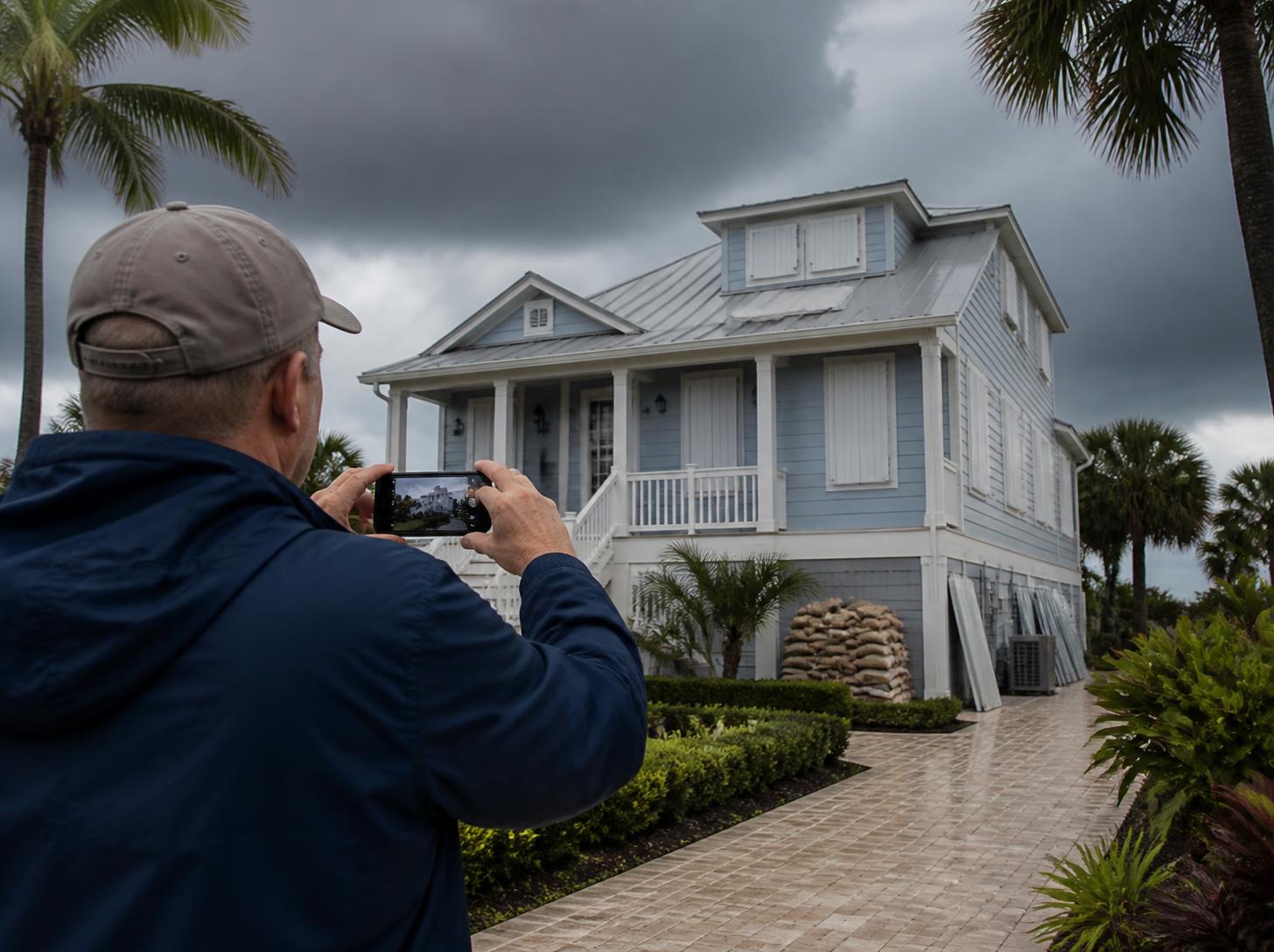
Photographs and video taken before a hurricane can help establish the property’s condition before wind, rain, flooding, or falling objects cause damage. Midseason is an appropriate time to update this record, especially if repairs, renovations, maintenance, or other changes occurred after the original hurricane-season photographs were taken.
The goal is to create a clear visual baseline—not merely a collection of close-up pictures. Capture wide views showing entire rooms and exterior elevations, followed by detailed images of important building components and valuable property.
Pre-Storm Property Photo Checklist
Exterior
- Each side of the building
- Roof and visible roof components
- Windows, doors, and shutters
- Garage doors and exterior finishes
- Fences, sheds, and detached structures
Interior
- Every room and hallway
- Walls, ceilings, and flooring
- Attic, basement, and garage
- Windows and exterior doors from inside
- Areas with prior repairs
Systems and Equipment
- Electrical panel
- HVAC equipment
- Water heater and plumbing fixtures
- Appliances
- Generators and storm-protection equipment
Contents
- Furniture and electronics
- Artwork and collections
- Tools and outdoor equipment
- Closets, cabinets, and storage areas
- Model and serial-number labels
Record a Continuous Video Walkthrough
Begin outside and slowly record each side of the property before moving through every interior room. Narrate the date, location, room name, recent repairs, and significant items as they appear.
Move slowly enough for individual frames to remain clear. Open closets, cabinets, garages, and storage areas so the recording reflects property that may otherwise be overlooked after a loss.
Preserve Original Files and Metadata
Keep the original photographs and videos rather than relying only on copies sent through text messages or social-media applications. Compressed copies may lose detail or metadata.
Upload the files to secure cloud storage and organize them by date and location. A practical naming system might include:
2026-09-01-front-elevation-wide-view.jpg
2026-09-01-kitchen-ceiling-prestorm.jpg
2026-09-01-roof-repair-completed.jpg
Document Existing Conditions Honestly
Do not conceal prior damage, unfinished repairs, stains, or maintenance issues. Photograph those conditions clearly and preserve records showing when they occurred and what work has been performed.
An accurate pre-storm record can help separate new hurricane damage from a prior condition. It may also prevent confusion when an adjuster reviews earlier inspection reports or photographs.
For a detailed evidence plan, review our hurricane claim checklist for documenting damage before cleanup.
Task 3: Create a Current Visual Record of Your Property
Photographs and video taken before a hurricane can help establish the property’s condition before wind, rain, flooding, or falling objects cause damage. Midseason is an appropriate time to update this record, especially if repairs, renovations, maintenance, or other changes occurred after the original hurricane-season photographs were taken.
The goal is to create a clear visual baseline—not merely a collection of close-up pictures. Capture wide views showing entire rooms and exterior elevations, followed by detailed images of important building components and valuable property.
Pre-Storm Property Photo Checklist
Exterior
- Each side of the building
- Roof and visible roof components
- Windows, doors, and shutters
- Garage doors and exterior finishes
- Fences, sheds, and detached structures
Interior
- Every room and hallway
- Walls, ceilings, and flooring
- Attic, basement, and garage
- Windows and exterior doors from inside
- Areas with prior repairs
Systems and Equipment
- Electrical panel
- HVAC equipment
- Water heater and plumbing fixtures
- Appliances
- Generators and storm-protection equipment
Contents
- Furniture and electronics
- Artwork and collections
- Tools and outdoor equipment
- Closets, cabinets, and storage areas
- Model and serial-number labels
Record a Continuous Video Walkthrough
Begin outside and slowly record each side of the property before moving through every interior room. Narrate the date, location, room name, recent repairs, and significant items as they appear.
Move slowly enough for individual frames to remain clear. Open closets, cabinets, garages, and storage areas so the recording reflects property that may otherwise be overlooked after a loss.
Preserve Original Files and Metadata
Keep the original photographs and videos rather than relying only on copies sent through text messages or social-media applications. Compressed copies may lose detail or metadata.
Upload the files to secure cloud storage and organize them by date and location. A practical naming system might include:
2026-09-01-front-elevation-wide-view.jpg
2026-09-01-kitchen-ceiling-prestorm.jpg
2026-09-01-roof-repair-completed.jpg
Document Existing Conditions Honestly
Do not conceal prior damage, unfinished repairs, stains, or maintenance issues. Photograph those conditions clearly and preserve records showing when they occurred and what work has been performed.
An accurate pre-storm record can help separate new hurricane damage from a prior condition. It may also prevent confusion when an adjuster reviews earlier inspection reports or photographs.
For a detailed evidence plan, review our hurricane claim checklist for documenting damage before cleanup.
Is Your Insurance Claim Plan Ready for Peak Hurricane Season?
If you have questions about hurricane deductibles, wind and flood coverage, or the records needed to support a property claim, The Morgan Law Group can help you understand the next steps.
Task 4: Update Your Home and Personal-Property Inventory
A home inventory identifies the belongings that may need to be repaired or replaced after a hurricane. An inventory created at the beginning of the season may already be incomplete if the household purchased electronics, appliances, furniture, tools, equipment, artwork, or other valuable items during the summer.
Update the inventory now rather than trying to reconstruct it after property is damaged, destroyed, or inaccessible.
Information to Record for Important Property
| Inventory Field | What to Include | Supporting Evidence |
|---|---|---|
| Item description | Brand, model, size, material, color, and distinguishing features | Wide and close-up photographs |
| Purchase information | Purchase date, retailer, original cost, and payment method | Receipts, invoices, bank records, or order confirmations |
| Product identifiers | Model number, serial number, and product identification | Photographs of manufacturer labels |
| Current condition | Age, working condition, prior repairs, and upgrades | Current photographs, service records, or warranties |
| Estimated replacement | Comparable replacement item and current retail price | Retail listings, appraisals, or replacement estimates |
Organize the Inventory by Room
A room-by-room inventory is easier to update and compare with post-storm photographs. Create separate sections for:
- Living room and family room
- Kitchen and dining areas
- Bedrooms and closets
- Bathrooms
- Home office
- Garage, attic, and basement
- Outdoor living and storage areas
- Detached structures
Pay Special Attention to High-Value Property
Jewelry, artwork, collectibles, firearms, musical instruments, business equipment, and other high-value items may be subject to special limits. Review the policy to determine whether scheduled coverage, appraisals, or separate endorsements are required.
Keep updated appraisals and photographs with the policy records. Do not assume that the general personal-property limit guarantees full coverage for every category of property.
Preserve Evidence of New Purchases
Save electronic receipts, order confirmations, warranty records, installation invoices, and photographs of items purchased after the original inventory was completed.
If paper receipts fade or could be lost during an evacuation, scan or photograph them and store the copies securely online.
Keep the Inventory Away From the Property
An inventory stored only on a home computer or in a filing cabinet may be inaccessible after a storm. Maintain a secure cloud copy and an additional backup that can be accessed from another location.
For more inventory guidance, read our article explaining why homeowners should create a home inventory before hurricane damage occurs.
Task 5: Preserve Records of Repairs, Maintenance, and Improvements
Insurance companies may attempt to distinguish new hurricane damage from wear and tear, deterioration, defective work, or a condition that existed before the storm. Current repair and maintenance records can help establish the property’s pre-loss condition and show what work was completed before the hurricane.
This documentation is particularly important for roofs, windows, doors, siding, plumbing, electrical systems, drainage components, and other areas commonly involved in storm claims.
Records to Add to the Midseason Claim File
Roof Records
Inspection reports, repair invoices, warranties, permits, photographs, and proof of roof age.
Building Improvements
Window, door, shutter, siding, garage-door, electrical, and structural upgrade records.
Water and Drainage Work
Plumbing repairs, gutter cleaning, drainage improvements, waterproofing, and leak remediation.
Professional Services
Contractor agreements, inspection reports, permits, licenses, receipts, and completion photographs.
Document Recently Completed Work
If repairs or improvements were completed during hurricane season, photograph the finished condition now. Keep before-and-after images, paid invoices, permits, warranties, and written descriptions of the work.
Examples include:
- Roof repairs or replacement
- Window or exterior-door installation
- Hurricane shutter or impact-glass installation
- Siding, stucco, or exterior-envelope repairs
- Tree trimming or removal
- Drainage and gutter improvements
- Interior repairs following an earlier water loss
- Electrical, plumbing, or HVAC upgrades
Keep Evidence of Prior Damage and Its Resolution
If the property sustained damage earlier in the year, preserve records showing what happened, which areas were affected, and whether the repairs were completed. This may include insurance estimates, contractor invoices, photographs, inspection reports, and proof of payment.
When prior work remains unfinished, document its current condition honestly. A clear record can help separate unresolved prior damage from new storm-related loss.
Verify Contractor Information
Save the contractor’s name, license information, address, telephone number, email, contract, scope of work, and proof of payment. These records may help verify what was repaired and provide a point of contact if an adjuster questions the work.
Organize Records by Building Component
Separate files into categories such as roof, exterior, windows and doors, plumbing, electrical, HVAC, interior, and detached structures. Consistent organization can make it easier to respond when an insurer asks for maintenance history or evidence of pre-storm condition.
For additional evidence guidance, review our article explaining how to document storm damage for an insurance claim.
Task 6: Understand Which Policy Covers Each Type of Hurricane Loss
A hurricane can cause several types of damage during the same event, but those losses may be handled under different insurance policies. Homeowners should identify the potential source of coverage before a storm so they know which insurers may need to receive notice after a loss.
How Different Hurricane Coverages May Apply
| Type of Coverage | Losses It May Address | What to Confirm |
|---|---|---|
| Homeowners or windstorm coverage | Wind damage, roof openings, fallen trees, damaged exterior components, and some resulting interior water damage | Wind exclusions, hurricane deductible, roof provisions, and coverage limits |
| Flood insurance | Storm surge, rising surface water, and other qualifying flood damage | Building and contents limits, separate deductibles, exclusions, and proof-of-loss requirements |
| Additional living expense coverage | Covered increases in lodging, meals, laundry, transportation, storage, and other necessary expenses | Dollar and time limits, covered cause requirements, receipts, and insurer approval procedures |
| Automobile or specialty coverage | Covered damage to vehicles, boats, recreational vehicles, or separately insured property | Comprehensive coverage, deductibles, storage requirements, and policy-specific exclusions |
Wind and Flood Damage Can Occur Together
A single hurricane may remove roof materials, allow rain to enter through an opening, and also send rising water into the same property. The homeowners insurer and flood insurer may investigate which source caused each part of the damage.
When the causes overlap, homeowners should document:
- The condition of the roof, windows, doors, and exterior walls
- Where and when water first entered
- Interior and exterior water lines
- The direction and height of water movement
- Debris patterns and structural openings
- Weather reports, wind data, rainfall, and flood information
- Statements from witnesses, neighbors, contractors, and emergency personnel
Do not describe all hurricane-related water as “flooding.” The physical source and path of the water may determine which policy applies.
Review Additional Living Expense Requirements
Additional living expense coverage generally addresses increased costs when a covered loss makes the insured residence uninhabitable. It does not necessarily pay every expense incurred during an evacuation.
Before a storm, identify:
- The available coverage limit
- Any time restriction
- Whether the insurer requires advance approval
- Which receipts and records must be submitted
- Whether evacuation expenses are covered without physical damage
- How normal household expenses are deducted from the claim
Create a dedicated folder for hotel invoices, meal receipts, laundry, storage, mileage, pet boarding, and other displacement expenses.
Prepare to Notify More Than One Insurer
If the loss may involve wind, flooding, vehicles, or other separately insured property, prompt notice may need to be provided to multiple insurance companies. Reporting to one carrier does not necessarily satisfy the requirements of another policy.
For a more detailed comparison, review our guide to wind damage versus flood damage insurance coverage.
Task 7: Create a Storm Claim Contact and Document-Storage Plan
After a hurricane, power, internet, cellular service, transportation, and access to the property may be limited. A written claim plan can help household members locate policies, contact insurers, document damage, and preserve expenses even when the person who normally manages the records is unavailable.
Storm Claim Contact List
Insurance Contacts
- Homeowners or wind insurer
- Flood insurer
- Insurance agent
- Mortgage company
- Automobile or specialty insurer
Property Contacts
- Condominium or homeowners association
- Property manager
- Landlord or tenant
- Trusted neighbor
- Emergency utility contacts
Repair and Mitigation Contacts
- Roofing contractor
- Water mitigation company
- Electrician
- Plumber
- Tree-removal service
Emergency Contacts
- Local emergency management
- Utility providers
- Family meeting contact
- Temporary lodging
- Medical and veterinary providers
Decide Who Will Manage the Claim
Identify the household member responsible for reporting the loss, communicating with adjusters, organizing inspections, and preserving claim records. Select a backup person who knows how to access the same information.
Every person involved should know:
- Where the policies are stored
- How to reach each insurer
- Where pre-storm photographs and inventories are located
- How emergency expenses will be recorded
- Who is authorized to approve temporary work
- How important insurance conversations will be documented
Create a Digital Claim Folder Before the Storm
Prepare a folder structure now so records can be saved consistently after a loss. Suggested folders include:
- Insurance policies and endorsements
- Pre-storm photographs and video
- Property inventory
- Repair and maintenance records
- Claim notices and confirmation numbers
- Exterior damage
- Interior damage by room
- Wind and flood evidence
- Emergency mitigation
- Contractor reports and estimates
- Additional living expenses
- Adjuster inspections and insurer estimates
- Payments, denials, and other claim decisions
Use a Claim Communication Log
For every telephone call, inspection, email, portal message, or payment, record:
- Date and time
- Name, title, and company
- Method of communication
- What was discussed or requested
- Documents provided
- Deadlines or follow-up dates
- Claim number and payment information
Confirm important verbal conversations by email or letter. Preserve proof that the insurer received photographs, reports, inventories, estimates, and other submissions.
Plan for Limited Connectivity
Keep essential telephone numbers, policy numbers, and claim instructions in both digital and printed form. A cloud folder is useful, but it should not be the only way to access critical information when power or internet service is unavailable.
Keep portable batteries charged and download important documents to a device before a storm approaches. Store paper copies in a waterproof container that can be taken during an evacuation.
The Property Damage Resource Center provides additional insurance-claim guides and storm recovery information.
What Midseason Mistakes Can Weaken a Hurricane Claim?
Insurance-claim preparation should continue throughout hurricane season. Outdated records, assumptions about coverage, and rushed post-storm decisions may create avoidable disputes over the cause, timing, and value of the damage.
Avoid These Peak-Season Claim Mistakes
Relying Only on Photographs Taken in June
Repairs, purchases, maintenance, and property conditions may have changed. Update the visual record so it accurately reflects the home immediately before peak season.
Keeping Only the Declarations Page
The declarations page does not contain every exclusion, endorsement, condition, or duty after loss. Obtain and preserve the complete policy.
Assuming Wind and Flood Damage Use the Same Coverage
Wind and flood losses may involve different insurers, policies, deductibles, and claim procedures. Understand how each policy works before damage occurs.
Waiting Until a Storm Is Named to Review Coverage
Insurance changes may be restricted or subject to waiting periods when a storm is approaching. Review questions and missing documents before watches or warnings are issued.
Discarding Damaged Property Too Quickly
Cleanup may need to begin immediately, but photograph and inventory damaged materials before disposal whenever it is safe to do so. Preserve representative samples and contractor records when appropriate.
Making Permanent Repairs Before the Inspection
Reasonable emergency work may be necessary to prevent additional damage. However, permanent repairs or extensive demolition can alter evidence before the insurer evaluates the loss.
Signing Contracts or Releases Without Reviewing Them
Understand the scope, payment terms, insurance provisions, and legal effect of any contractor agreement, assignment, settlement, or release before signing.
What Should Homeowners Do When a Storm Is Forecast?
Personal safety and official emergency instructions come first. Once a storm threatens the area, homeowners should monitor the National Hurricane Center and local emergency-management authorities, follow evacuation orders, and avoid unsafe attempts to inspect or protect property.
Before conditions deteriorate:
- Charge phones, cameras, and portable batteries
- Confirm that policies and inventories are accessible
- Complete a final exterior and interior video walkthrough
- Store important records in waterproof and cloud locations
- Secure outdoor property when it is safe to do so
- Record the condition of shutters, windows, doors, and roof areas
- Keep the insurer’s reporting instructions available
What Should Homeowners Do Immediately After a Storm?
Return only when authorities say it is safe. Avoid standing water, unstable structures, downed power lines, damaged trees, and other hazards.
When conditions permit:
- Photograph the property before cleanup or temporary repairs
- Report damage promptly to every potentially applicable insurer
- Take reasonable steps to prevent additional loss
- Keep damaged property and building materials when practical
- Save receipts for emergency work and displacement expenses
- Maintain a written record of every inspection and conversation
Do not assume that a denial or low initial estimate is the final word. Compare the insurer’s decision with the policy, photographs, professional reports, repair estimates, and complete scope of damage.
Need Help With a Hurricane Property Insurance Claim?
If your hurricane claim is denied, delayed, underpaid, or disputed, The Morgan Law Group can review your policies, damage evidence, insurer findings, and the complete scope of your loss.
Frequently Asked Questions
About Mid-Hurricane-Season Claim Readiness
Is September too late to prepare for a hurricane insurance claim?
No. The Atlantic hurricane season continues through November 30, and September is historically one of its most active periods. Homeowners can still review their policies, calculate deductibles, photograph their property, update inventories, preserve maintenance records, and organize important contact information.
What should homeowners photograph before a hurricane?
Photograph or record the roof when it can be done safely, exterior walls, windows, doors, fencing, landscaping, major appliances, furniture, electronics, and each interior room. The images should document the property’s overall condition, valuable belongings, and any preexisting damage.
Does homeowners insurance cover both wind and flood damage?
Not necessarily. A homeowners or windstorm policy may cover certain hurricane wind losses, while damage caused by rising water is generally handled under a separate flood insurance policy. Coverage depends on the policies, exclusions, endorsements, deductibles, and cause of the particular damage.
How does a hurricane deductible affect an insurance claim?
A hurricane deductible may be stated as a percentage of the home’s insured value rather than as a fixed dollar amount. For example, a 2% deductible on $400,000 of applicable coverage would equal $8,000. The exact amount and circumstances in which the deductible applies depend on the policy and applicable state law.
What records should be saved before hurricane damage occurs?
Save complete insurance policies, declarations pages, endorsements, home inventories, purchase receipts, repair invoices, roof records, inspection reports, warranties, contractor information, and photographs or videos of the property. Keep accessible backup copies in secure cloud storage or another location away from the home.
What should a homeowner do immediately after hurricane damage?
Prioritize personal safety, report the loss promptly, and photograph the damage before making changes whenever conditions permit. Take reasonable steps to prevent additional damage, preserve damaged materials when practical, retain receipts, and document communications with the insurer, adjusters, contractors, and mitigation companies.
When should a homeowner seek help with a hurricane insurance claim?
Consider seeking professional guidance when a claim is denied, delayed, underpaid, attributed to an excluded cause, or based on a repair estimate that appears incomplete. Assistance may also be useful when wind and flood damage overlap or the insurer disputes the timing, cause, or extent of the loss.
Other Recent Posts
-
Sump-Pump Failure and Basement Water Damage in Denver: Which Insurance Coverage Applies?September 29, 2026
-
Smoke and Soot Damage After a Miami House Fire: What Should the Insurance Claim Include?September 22, 2026
-
Kitchen Cabinet and Flooring Damage After a Plumbing Leak in New Orleans: What Can Be Included in the Claim?September 18, 2026