Skip to main content

Property Damage Claims Resource Center
Explore guides for insurance claims, hurricane damage, roof damage, water damage, claim disputes, and state-specific property claim resources.
Insurance claims can become complicated when property is damaged by hurricanes, severe storms, water, wind, roofing failures, fire, or other covered events. This resource center brings together practical information to help homeowners and business owners understand the property damage claim process, common insurance disputes, and the options that may be available when a claim is delayed, denied, or underpaid.
The Morgan Law Group represents property owners in insurance claim disputes across multiple states. Use the resources below to learn more about different types of property damage, insurance claim problems, storm-related losses, and state-specific information.
Learn what may happen when an insurance claim is delayed, denied, underpaid, partially paid, or closed before all damage has been resolved.
Explore resources for roof damage, water damage, wind damage, hurricane losses, fire damage, flooding, and other property claims.
Find guidance for hurricanes, tropical storms, wind, flooding, tornadoes, hail, and other severe-weather property damage.
Access state-specific insurance and property damage resources for the areas where The Morgan Law Group represents policyholders.
Property insurance claims do not always move smoothly from damage to payment. Delays, denials, low estimates, incomplete repair scopes, and disputes over coverage can leave property owners unsure about what to do next.
Learn why insurers may deny property claims, how to review a denial letter, what evidence may address the insurer’s reasoning, and what options may be available after a denial.
Understand why an insurance payment may be lower than the actual repair cost and how estimates, hidden damage, depreciation, and supplemental claims can affect the final payment.
Find out why a property insurance claim may be taking too long, what information the insurer may request, and what steps may help move a delayed claim forward.
Additional damage, revised contractor estimates, or omitted repair work may lead to a request for supplemental insurance payment after the initial estimate or settlement.
Learn how insurance companies may calculate property damage settlements, including repair estimates, depreciation, deductibles, coverage limits, and replacement-cost provisions.
Newly discovered damage or increased repair costs may raise questions about whether a previously closed homeowners insurance claim can be reconsidered or supplemented.
Insurance disputes are often easier to understand when the specific issue is identified. A denied claim involves a different analysis than an accepted claim with an incomplete repair estimate, delayed payment, or disputed supplemental request.
Property owners should preserve their insurance policy, damage photographs, estimates, invoices, inspection reports, payment letters, and communications with the insurer throughout the claim process. Those records can help clarify what was reported, what the insurer evaluated, and what issues remain unresolved.
Property damage claims can involve very different causes of loss. The type of damage, how it occurred, and the coverage provided by the insurance policy can all affect how a claim is investigated and paid.
Roof claims may involve hurricanes, wind, hail, falling objects, water intrusion, or other covered events. Disputes can arise over the cause of damage, roof age, repair versus replacement, and alleged wear and tear.
Water damage may result from plumbing failures, appliance leaks, roof openings, broken pipes, or other sudden events. Coverage often depends on the source of the water and the circumstances surrounding the loss.
High winds can damage roofing, siding, windows, doors, fencing, exterior structures, and building components even when a property does not sustain direct hurricane damage.
Hurricanes and severe storms can create multiple types of damage at the same property, including wind, water intrusion, roof damage, fallen trees, structural damage, and flooding.
Fire claims may involve structural repairs, smoke contamination, damaged personal property, water used during firefighting, debris removal, and temporary relocation expenses.
Flooding, storm surge, and rising surface water may involve different insurance coverage than wind-driven rain, plumbing leaks, or other water losses. Determining the source of damage can be critical.
A single property loss may involve more than one type of damage. For example, a hurricane can cause roof damage from wind, interior water intrusion through an opening, and flooding from storm surge. Those causes may be evaluated differently under the applicable insurance policies.
Property owners should document each affected area separately and avoid assuming that all damage will be evaluated under the same coverage provision. Photographs, contractor inspections, weather information, mitigation records, and repair estimates can help establish how the loss occurred and the scope of necessary repairs.
Severe weather can cause multiple types of property damage at the same time. Understanding the source of the damage, the applicable insurance coverage, and the documentation needed for the claim can be critical after a major storm.
Hurricanes can cause roof damage, wind damage, interior water intrusion, fallen trees, structural damage, storm surge, and flooding. Different causes of loss may be evaluated under different policy provisions.
Wind can damage roofing systems, siding, windows, doors, fencing, exterior structures, and other building components even when a storm does not make a direct landfall nearby.
Wind-driven rain, storm surge, rising water, and flooding may involve different types of insurance coverage. Determining how the water entered the property can significantly affect the claim.
Hail can damage roofs, siding, windows, gutters, HVAC equipment, vehicles, and other exterior property. Some hail damage may not be obvious from ground level.
Tornadoes and severe thunderstorms can cause high-wind damage, fallen trees, roof failures, broken windows, water intrusion, and structural damage across a wide area.
Freezing temperatures and winter storms can lead to burst pipes, roof damage, water intrusion, ice-related damage, and other losses that may require immediate mitigation.
Storm-related insurance claims can become more complicated when several causes of damage occur at once. A single event may involve wind, water, flooding, debris impact, and structural damage, and the insurer may evaluate each portion of the loss separately.
Property owners should document the condition of the property as soon as it is safe to do so, preserve receipts for emergency repairs, and keep records of weather conditions, contractor inspections, mitigation work, and insurer communications.
Insurance laws, storm risks, claim procedures, and coverage issues can vary by state. Explore property damage and insurance claim resources for the states where The Morgan Law Group represents policyholders.
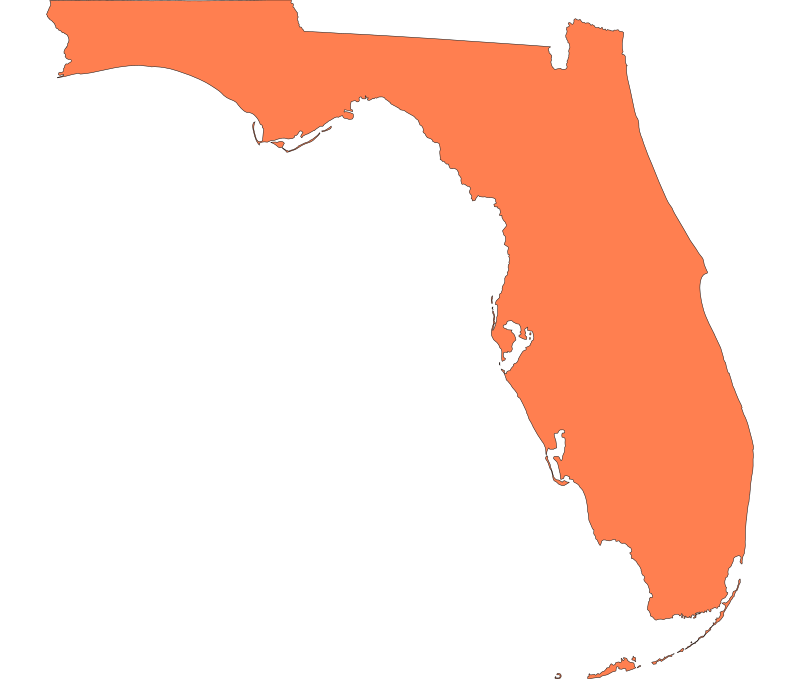
Explore Florida property damage resources covering hurricanes, roof claims, water damage, insurance disputes, claim delays, denials, and underpayments.
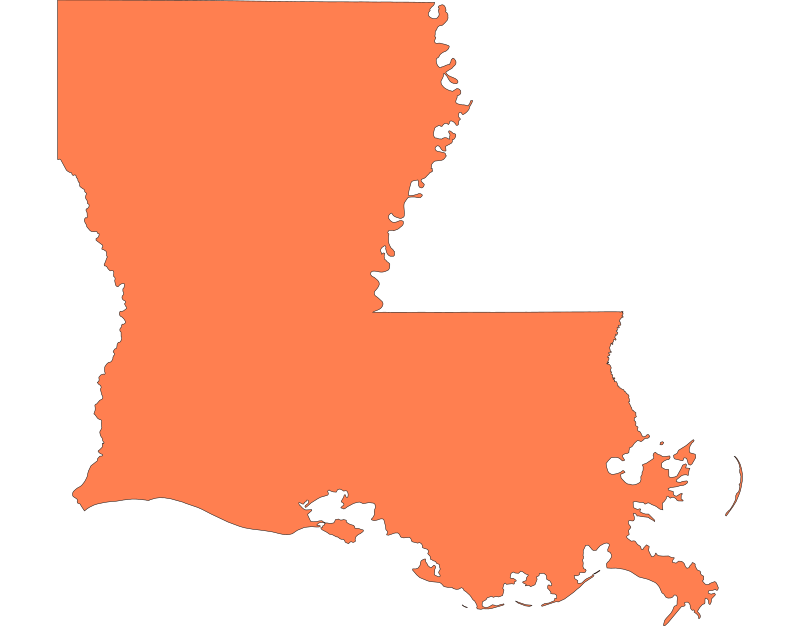
Find Louisiana insurance claim resources for hurricane damage, wind, flooding, roof losses, water damage, and disputed property claims.
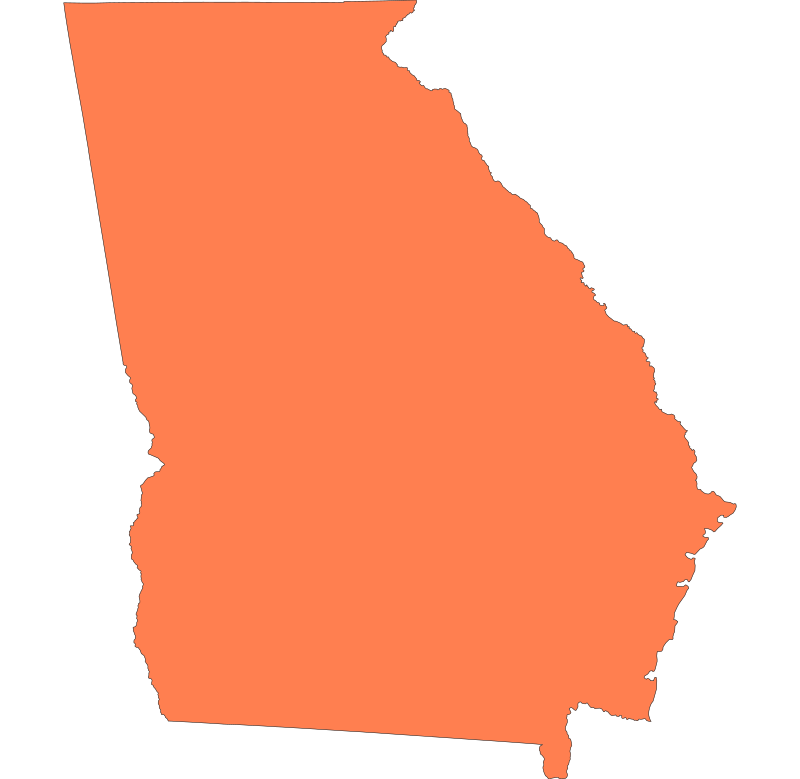
Review Georgia resources for storm damage, roof claims, wind, hail, water damage, insurance coverage issues, and property claim disputes.
Access Mississippi property claim guidance for hurricanes, severe storms, wind damage, flooding, roof damage, and insurance disputes.
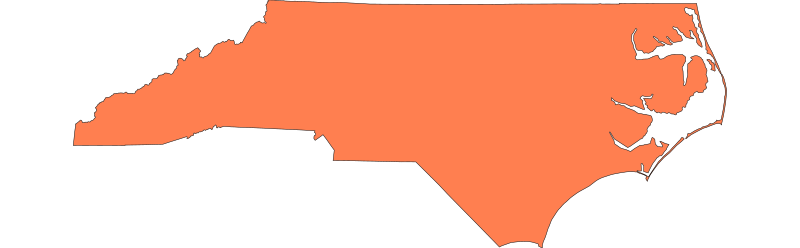
Explore North Carolina resources for hurricane and coastal storm damage, wind, flooding, roof claims, water losses, and property insurance disputes.
Find Texas property damage resources covering hail, wind, severe storms, roof claims, water damage, and disputes over insurance coverage or payment.
These state resource centers bring together local property damage information, insurance claim guidance, severe-weather resources, and relevant claim considerations for policyholders in each state.
Although every insurance claim is different, most property damage claims move through a similar sequence from documenting the loss to inspection, estimating, payment, and any necessary supplemental or dispute process.
Photograph and video the affected areas as soon as it is safe to do so. Preserve evidence of the loss before damaged materials are removed whenever possible.
Notify the insurance company of the loss and keep a record of the claim number, date reported, insurer communications, and documents submitted.
The insurer may send an adjuster or other representative to inspect the property and document the reported damage.
Compare the insurer’s repair estimate with contractor findings, material costs, labor, quantities, and the actual scope of damage.
Review the insurer’s payment explanation to understand what was covered, what was withheld, and whether any portion of the claim remains disputed.
If additional damage is discovered or the payment does not reflect the documented loss, the policyholder may need to submit additional evidence or request further review.
Throughout the claim process, property owners should keep a complete file containing the insurance policy, photographs, estimates, receipts, inspection reports, correspondence, payment letters, and repair documentation.
That record can become especially important if the claim is delayed, denied, underpaid, or disputed later in the process.
Good documentation can help establish what was damaged, what repairs are needed, what the insurer evaluated, and where a dispute may exist. Keeping a complete claim file from the beginning can make the process easier if additional payment or reconsideration becomes necessary.
Keep the declarations page, policy forms, endorsements, exclusions, deductibles, coverage limits, and any renewal documents that may apply to the loss.
Preserve images of the damaged property before repairs begin, including wide views, close-up details, and any additional damage discovered during demolition or restoration.
Keep contractor estimates, insurer estimates, revised scopes, material pricing, labor breakdowns, and any written explanations of necessary repairs.
Save receipts for emergency repairs, mitigation, temporary housing, materials, equipment, inspections, cleanup, storage, and completed restoration work.
Keep reports from adjusters, contractors, engineers, roofers, plumbers, mitigation companies, or other professionals who inspected the property.
Preserve emails, letters, payment notices, denial letters, estimate revisions, claim status updates, and notes from phone conversations with the insurance company.
It can also help to maintain a simple timeline showing when the loss occurred, when the claim was reported, when inspections took place, when estimates were received, when payments were issued, and when additional documentation was submitted.
Organized records make it easier to compare the insurer’s position with the documented damage and repair history, especially when a claim becomes delayed, denied, underpaid, or subject to a supplemental request.
Many property insurance claims can be handled directly with the insurer, but some disputes become more difficult when coverage, causation, repair scope, payment, or deadlines are contested.
A denial based on exclusions, wear and tear, late notice, maintenance, pre-existing damage, or disputed causation may require a closer review of the policy and supporting evidence.
If the insurer’s estimate does not reflect the documented repair scope, material costs, labor, hidden damage, or other covered expenses, additional review may be appropriate.
Repeated delays, unanswered requests, prolonged inspections, or extended payment issues may indicate that the claim needs closer attention.
Roofing, structural, water, mold, interior, or other significant damage that was not included in the insurer’s evaluation can materially affect the claim.
Disagreements over wind, flood, maintenance, wear and tear, prior damage, or another cause of loss can significantly change how a claim is evaluated.
Claims involving multiple causes of loss, competing estimates, expert reports, supplemental damage, or significant repair costs may require a more detailed review.
Property owners should also pay attention to any deadlines contained in the insurance policy or applicable law. Requirements related to notice, proof of loss, supplemental claims, repairs, dispute procedures, or lawsuits can vary by policy and jurisdiction.
If the insurer’s position does not appear to match the documented damage or the terms of the policy, The Morgan Law Group can review the claim information and help identify the issues that may need further attention.
If your property insurance claim has been delayed, denied, underpaid, or disputed, The Morgan Law Group can review your policy, damage documentation, estimates, and insurer communications.
Prepare before the storm, document damage after the storm, and understand how hurricane insurance claims are handled.
Document the damage with photographs and video as soon as it is safe, take reasonable steps to prevent further damage, keep receipts for emergency repairs, and review the insurance policy for claim-reporting requirements.
Coverage depends on the policy, but property claims may involve wind, hurricanes, hail, water damage, fire, smoke, roof damage, fallen trees, or other covered causes of loss. Flood and rising-water damage may require separate coverage.
Claims may be denied because of exclusions, disputed causation, alleged wear and tear, maintenance issues, late notice, insufficient documentation, pre-existing damage, or the insurer’s interpretation of the policy.
An underpaid claim generally means the insurer accepted at least part of the loss but issued payment that may not reflect the full documented cost of covered repairs, replacement, or related expenses.
In some situations, yes. Additional damage, revised contractor estimates, hidden damage, or omitted repair items may support a supplemental request. Policy terms and deadlines may apply.
Keep the insurance policy, photographs, videos, contractor estimates, insurer estimates, receipts, invoices, inspection reports, payment letters, denial notices, and communications with the insurer.
Wind damage may involve roofing, windows, siding, structural components, or water entering through a wind-created opening. Flood damage generally involves rising or surface water. Different insurance policies may respond differently depending on the cause of loss.
Sometimes. Newly discovered damage, revised repair costs, or additional documentation may support a request for reconsideration or supplemental payment, depending on the policy, facts, and applicable deadlines.
Additional review may be appropriate when a claim is denied, substantially underpaid, repeatedly delayed, affected by a coverage dispute, missing major damage, or complicated by multiple causes of loss or important deadlines.